Logo

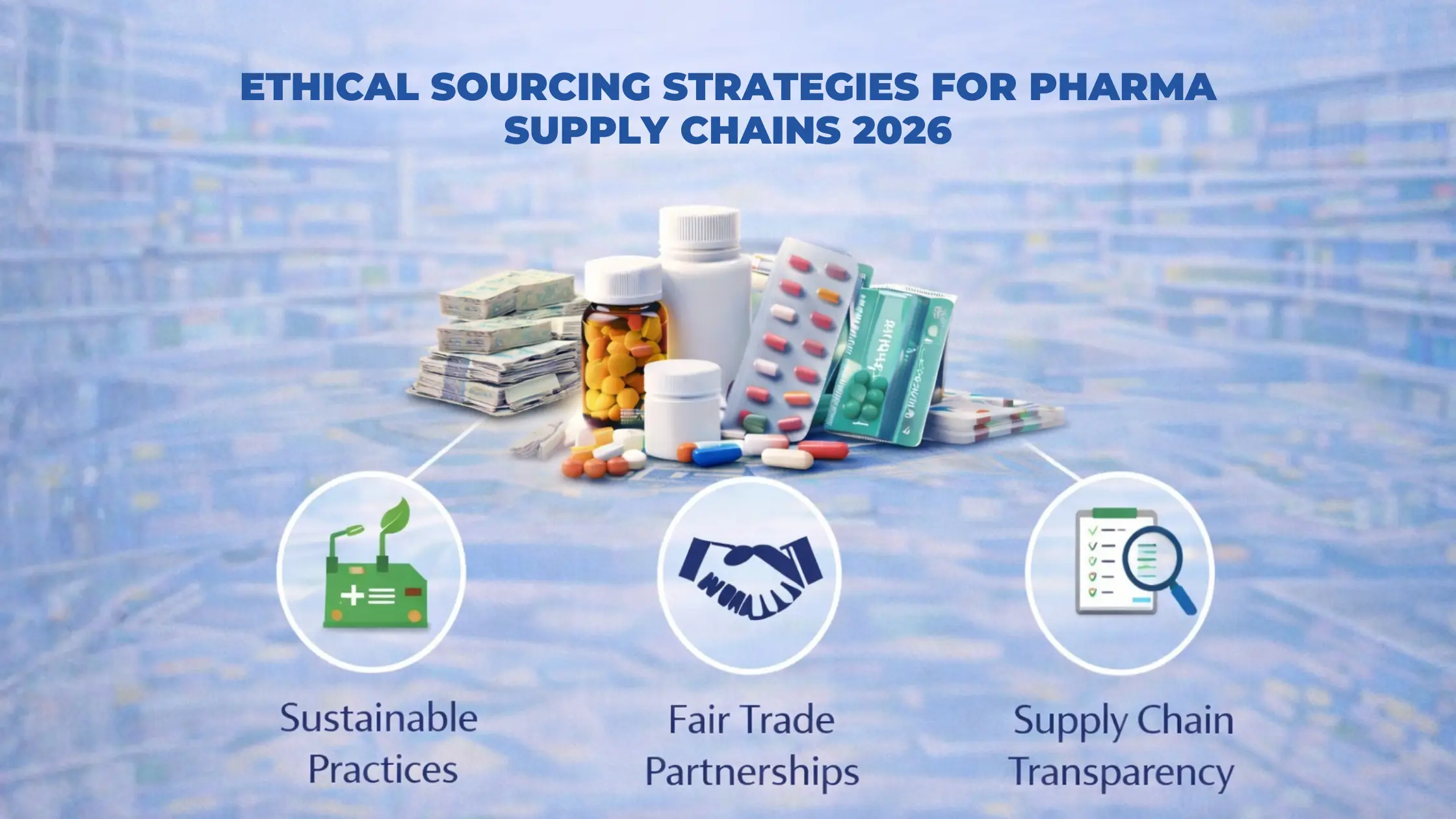
Ethical Sourcing Strategies for Pharma Supply Chains 2026

When I started Zenotis Healthcare, I knew one thing for sure: in pharma, shortcuts don’t stay hidden for long. Patients, doctors, and regulators eventually see the impact of every decision we take in the supply chain. As a founder of a growing pharma company in India, I’ve watched ethical sourcing move from “good to have” to “non-negotiable” in just a few years.

Today, in 2026, the real question isn’t “Can we afford ethical sourcing?” but “Can we afford to ignore it?”

What ethical sourcing really means to us

On paper, ethical sourcing is about how and where we buy our raw materials, APIs, excipients, and packaging. In reality, it’s much more personal. It’s about being able to look a doctor in the eye and confidently say, “Yes, we know exactly where this medicine comes from — and we trust every step behind it.”

  • Working only with suppliers who respect labour laws and safe working conditions.
  • Ensuring partners follow environmental norms and handle waste responsibly.
  • Staying aligned with Indian regulations and WHO-GMP expectations.

How we think about suppliers and partners

Price and timelines will always matter, but they’re no longer the only metrics we use. Before we shake hands with a supplier, we look at their quality systems, audit history, and how transparent they are about their sourcing.

  • Regular audits instead of one-time checks.
  • Clear expectations around documentation, testing, and CAPA.
  • Honest conversations when something goes wrong, so it can be fixed properly.

Traceability: knowing the story behind every batch

One of the biggest shifts in 2026 is the push for traceability. Hospitals and regulators want to know the full journey of a product, not just the final Certificate of Analysis.

  • Catch issues early before they reach the market.
  • Respond quickly during audits or recalls.
  • Give distributors and franchise partners more confidence.

Balancing cost, quality, and responsibility

Ethical sourcing is not the cheapest way to run a business. But every time we choose the more responsible option, we are investing in trust.

  • Quality we would confidently give to our own families.
  • Pricing that keeps medicines accessible in the Indian market.
  • Sourcing practices that stand strong under the strictest scrutiny.

Looking ahead

Ethical sourcing isn’t a project with a finish line — it’s an ongoing discipline. If we want long-term growth in the pharmaceutical industry, we must first earn long-term trust.


FAQs

Q1. What does ethical sourcing mean for a pharma company in India?
Ethical sourcing means procuring APIs, excipients, packaging, and services responsibly while respecting labour rights and environmental regulations.

Q2. Why is ethical sourcing important for pharma supply chains in 2026?
Because regulators and patients expect transparency, safety, and consistent quality — not just low prices.

Q3. How does Zenotis Healthcare support ethical sourcing?
By working with audited suppliers, maintaining strong quality systems, and ensuring transparent documentation.

Q4. What practical steps ensure ethical sourcing?
Mapping supply chains, performing audits, and maintaining continuous monitoring.

Q5. How do ethical sourcing practices benefit patients?
They reduce risks of poor-quality medicines and improve trust in treatment.

About Us

Zenotis Healthcare is a leading pharmaceutical company in India, headquartered in Lucknow, Uttar Pradesh, with over 15 years of industry experience in delivering high-quality and affordable drug formulations across the country. We are committed to strengthening India’s healthcare ecosystem through innovation-driven, quality-assured, and patient-centric pharmaceutical solutions.

G
E
T
A
C
A
L
L

Enquire Now